Sikandara Enterprises Reliable Trading. Trusted Partnerships. Global Reach.

Sikandara Enterprises

Reliable Trading. Trusted Partnerships. Global Reach.

Latest Articles

The Margin Between the Lines: Putting Currency Terms Back Into the Purchase Order
Procurement Guide

The Margin Between the Lines: Putting Currency Terms Back Into the Purchase Order

A purchase order can pin down quantity, price, and delivery date while leaving exchange-rate risk entirely unassigned. For mid-sized US importers, that silence is expensive. This guide explains how simple currency terms, quote-validity rules, and a disciplined review rhythm keep FX movement from becoming an unplanned line-item loss.
The Other Half of the Deal: Why Delivery Terms Deserve a Counter-Offer
Procurement Guide

The Other Half of the Deal: Why Delivery Terms Deserve a Counter-Offer

Importers often bargain hard on unit price while accepting the first quoted lead time as if it were a law of nature. A disciplined counter-offer on delivery can protect margin more effectively than another few cents off the piece price.

Splitting the Load: When a Purchase Order Should Travel in More Than One Shipment
Procurement Guide

Splitting the Load: When a Purchase Order Should Travel in More Than One Shipment

A purchase order is usually treated as indivisible, yet seasonal deadlines, supplier ramp-up curves, and working capital rarely align on a single sailing date. This guide sets out where a partial shipment genuinely earns its keep, what the split quietly costs in freight, entry fees, and stranded inventory, and how to negotiate the schedule without turning a supplier into an adversary.

The Lane Home: Designing Reverse Logistics Before the First Order Ships
Procurement Guide

The Lane Home: Designing Reverse Logistics Before the First Order Ships

Most import programs are engineered to move goods in one direction. For US importers, returns, warranty replacements, repairs, and disposal can quietly consume the margin a shipment was meant to create. This guide argues that the reverse lane belongs in the original supplier agreement, not in a customer-service manual written after problems appear.

The Quiet Clause: How Unstated Specifications Become Line-Item Losses
Procurement Guide

The Quiet Clause: How Unstated Specifications Become Line-Item Losses

A purchase order can agree on price, quantity, and delivery date while leaving the most consequential terms unspoken. This guide examines how vague specifications turn into rework, rejects, and chargebacks—and how importers can close those gaps before production begins.

The Sample Says Yes. The Customer Says No.
Procurement Guide

The Sample Says Yes. The Customer Says No.

Acceptance sampling can clear a lot that still fails in the market. This procurement guide explains why AQL thresholds and sellable quality diverge, and how importers can write quality agreements that protect margin rather than merely satisfy an inspection checklist.

The Wire Before the Work: Designing Import Payments as a Governance System
Procurement Guide

The Wire Before the Work: Designing Import Payments as a Governance System

Upfront deposits are often treated as a test of trust, but they are better understood as a governance mechanism. This guide outlines how U.S. importers can structure milestones, inspection triggers, letters of credit, and escrow arrangements that keep overseas suppliers accountable without straining reliable relationships.

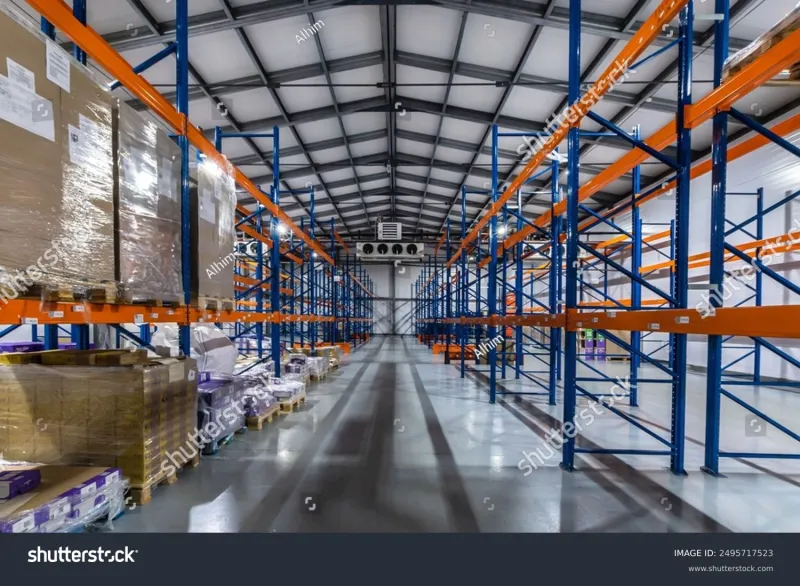
The Duty-Free Clock: How Bonded Storage Rewrites the Importer's Cash Calendar
Procurement Guide

The Duty-Free Clock: How Bonded Storage Rewrites the Importer's Cash Calendar

Most importers treat warehousing as a cost center and a last-minute overflow valve. A bonded facility is neither. Used deliberately, it is a timing instrument that defers duty, preserves the option to re-export, and gives seasonal inventory room to breathe before it becomes a liability.

Before the Broker Files: Why HTS Classification Belongs in Supplier Onboarding
Procurement Guide

Before the Broker Files: Why HTS Classification Belongs in Supplier Onboarding

Most importers treat HTS classification as a clerical step completed after the purchase order is cut. In practice, the code determines duty, eligibility, and penalty exposure—and it is far easier to get right when it is built into supplier onboarding rather than reconstructed at midnight before a customs filing.

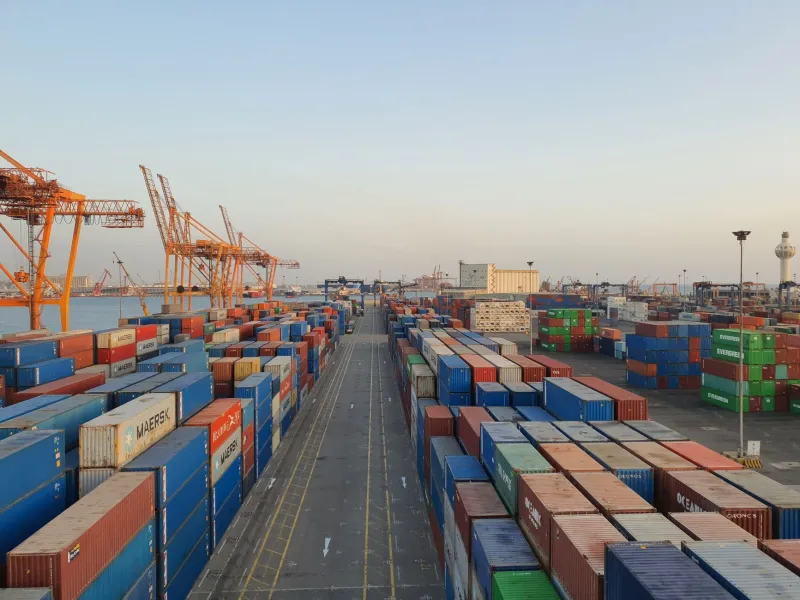
While America Carves the Turkey, the Cranes Keep Moving: Lessons in Operational Grit From Holiday Logistics
Opinion & Analysis

While America Carves the Turkey, the Cranes Keep Moving: Lessons in Operational Grit From Holiday Logistics

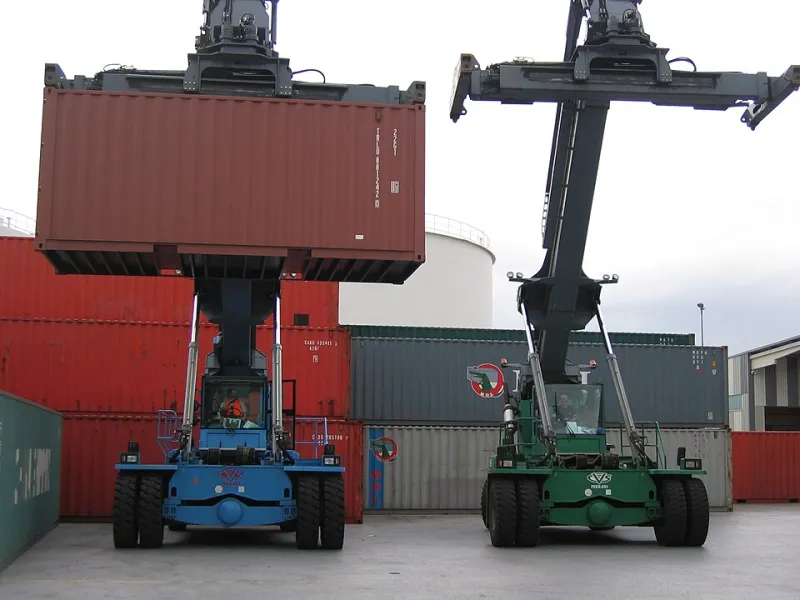
Between Thanksgiving and Christmas, American ports operate around the clock while the rest of the country winds down. That contrast reveals a discipline most businesses could stand to borrow — built on redundancy, clean handoffs, and calm under seasonal pressure.

The Hardest Mile Isn't Across the Pacific: How Domestic Logistics Became the Importer's Real Bottleneck
Procurement Guide

The Hardest Mile Isn't Across the Pacific: How Domestic Logistics Became the Importer's Real Bottleneck

Ocean freight gets the headlines, but the drayage, warehouse, and last-mile segments now drive the cost and volatility most importers actually feel. This guide breaks down the domestic expenses that rarely appear in a landed-cost model — and where a trading partner earns its keep after the vessel docks.

Six Weeks at Anchor: Reconstructing the Slowest Shipment of the Season
Opinion & Analysis

Six Weeks at Anchor: Reconstructing the Slowest Shipment of the Season

A single container misses its vessel by hours, and six weeks later an American distributor is staring at a five-figure loss. We trace the entire chain of decisions, fees, and contract clauses to understand exactly where the money went — and who was legally obligated to pay it.

Your Landed Cost Is Lying to You: Rethinking the Import Math for 2026
Opinion & Analysis

Your Landed Cost Is Lying to You: Rethinking the Import Math for 2026

Most American importers still calculate landed cost as if ocean freight were a rounding error. Rerouted shipping lanes, spiking insurance premiums, and congested ports have made that habit a competitive liability — and landed-cost literacy a genuine advantage.

Due Diligence From a Distance: Reading a Supplier You've Never Shaken Hands With
Procurement Guide

Due Diligence From a Distance: Reading a Supplier You've Never Shaken Hands With

The factory tour is no longer a prerequisite for confident sourcing. Here is a practical framework — and a first-inquiry checklist — for US buyers evaluating trading partners entirely from a desk.

Against the Niche: The Quiet Case for the Diversified Trading House
Opinion & Analysis

Against the Niche: The Quiet Case for the Diversified Trading House

Conventional wisdom tells every business to niche down, yet diversified trading houses keep thriving across product categories and decades. This opinion piece argues that breadth of network — not depth in a single commodity — is what protects American buyers when shocks hit.

The Reverse Calendar: Why July Orders Decide Who Wins Black Friday
Procurement Guide

The Reverse Calendar: Why July Orders Decide Who Wins Black Friday

Most US retailers treat Q4 as a marketing problem, but the winners are decided months earlier at the purchase-order stage. This guide maps the import timeline backward from Black Friday to show exactly when sourcing decisions must be locked in.

Paper Trails and Pitfalls: Where International Trade Deals Quietly Succeed or Fail
Procurement Guide

Paper Trails and Pitfalls: Where International Trade Deals Quietly Succeed or Fail

Most trade disputes are not born at the port; they are born at the desk, in a document drafted weeks before goods ever moved. This practical walkthrough examines the paperwork that underpins every international transaction — and how experienced trading firms catch errors before they become expenses.

In Defense of the Invisible Partner: What a Good Trading Company Actually Does for Its Margin
Opinion & Analysis

In Defense of the Invisible Partner: What a Good Trading Company Actually Does for Its Margin

Intermediaries are routinely cast as toll collectors on the road to global sourcing, adding cost without adding value. That caricature deserves scrutiny. The real question is not whether a trading company charges a margin, but whether it earns one.

Planning for the Next Headline: Why Tariff Uncertainty Is Now a Permanent Condition of Sourcing
Opinion & Analysis

Planning for the Next Headline: Why Tariff Uncertainty Is Now a Permanent Condition of Sourcing

Tariff schedules were once background noise for American buyers; today they are headline news and boardroom agenda items. We argue that the era of stable sourcing policy is over for good — and that the companies thriving under whiplash are those treating flexibility as infrastructure, not insurance.

One Shipment, Four Intermediaries: Untangling the Cast of Characters in Your Import Chain
Procurement Guide

One Shipment, Four Intermediaries: Untangling the Cast of Characters in Your Import Chain

Freight forwarders, customs brokers, trading companies, and agents all claim to move your goods from Point A to Point B — but they do very different jobs, at very different prices. We follow a single hypothetical shipment from a factory floor in Asia to a warehouse in Ohio to show exactly who does what, and when paying a middleman earns its keep.