Twenty-Two Days, Eleven Handoffs: The Hidden Life of an Import Container
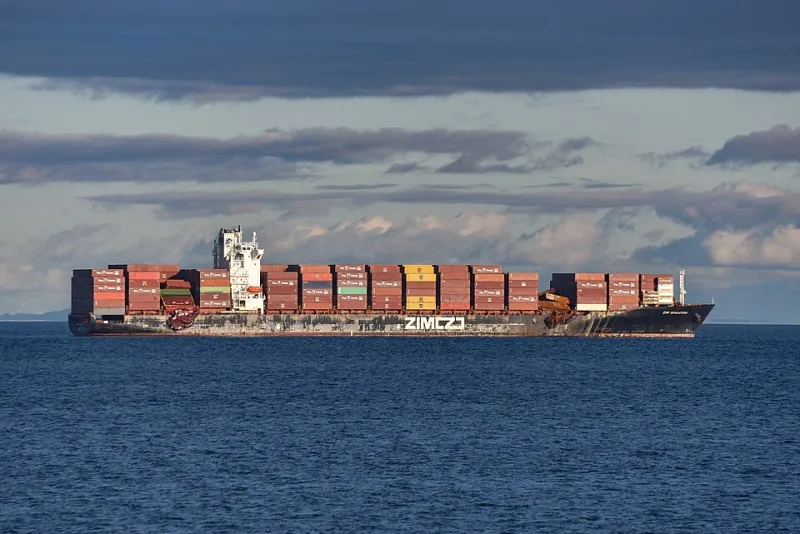
Photo: AgainErick, CC BY-SA 4.0, via Wikimedia Commons
The pallet of industrial fasteners arrived at a Ohio distribution center on a Tuesday morning, unremarkable and on time. What the receiving team didn't see was the twenty-two days and eleven separate handoffs that stood between that container and disaster. Understanding this journey — truly understanding it — is the difference between a procurement team that plans and one that apologizes.
Day Zero: The Factory Floor
The clock starts when the manufacturer seals the container. Before that seal closes, however, a competent trading partner has already verified the goods against the purchase order, inspected packaging for export compliance, and confirmed the booking with the freight forwarder. Skipping this step is the single most common source of disputes we see. A container that leaves the factory with the wrong labeling doesn't fail at the factory — it fails three weeks later at a US port, where storage fees accrue daily.
The Document Gauntlet
No physical movement happens without paperwork moving faster. The commercial invoice, packing list, bill of lading, and certificate of origin must be accurate to the letter. A mismatch between the invoice description and the HS code on file with US Customs and Border Protection can trigger an exam — and an exam can add five to ten days plus hundreds of dollars in handling charges.
This is where experienced partners earn their fee. A seasoned trading company pre-clears documentation, files the ISF (Importer Security Filing) at least 24 hours before vessel loading, and reconciles every figure before the container ever touches water.
Ocean Transit and the Illusion of Certainty
The vessel crossing typically takes 18 to 35 days depending on origin and service. But transit time is the one variable buyers obsess over and the one they control least. Port congestion, weather rerouting, and vessel omissions quietly stretch schedules. Prudent buyers build buffer into their lead times rather than negotiating away margin on promises of speed.
Arrival: Where Fees Multiply
When the container lands at a US port — Long Beach, Savannah, Houston, Newark — a new cast takes over. The customs broker files entry. Duties are assessed. Drayage carriers race the free-time clock: demurrage charges begin once a container sits too long at the terminal, and per diem charges apply to the chassis it rides on. A container that clears smoothly incurs none of these. One delayed by a documentation error can rack up thousands of dollars in a week.
The Last Mile
Final delivery to the warehouse seems trivial by comparison, yet it depends entirely on the quality of the drayage arrangement and whether the container was pre-pulled before appointment windows. Then the freight is unloaded, counted against the packing list, and — only now — the procurement cycle truly closes.
Why This Story Matters to Your Bottom Line
The distance between a three-week shipment and a three-month shipment is rarely the ocean. It is the quality of each of those eleven handoffs: the pre-shipment inspection that caught the error, the broker who filed correctly the first time, the partner who flagged the port congestion before you booked. When evaluating a trading company, ask them to walk you through this journey in detail. If they can't, your freight is the one paying for their education.