The Single-Supplier Trap: A Case for Spreading Your Sourcing Bets

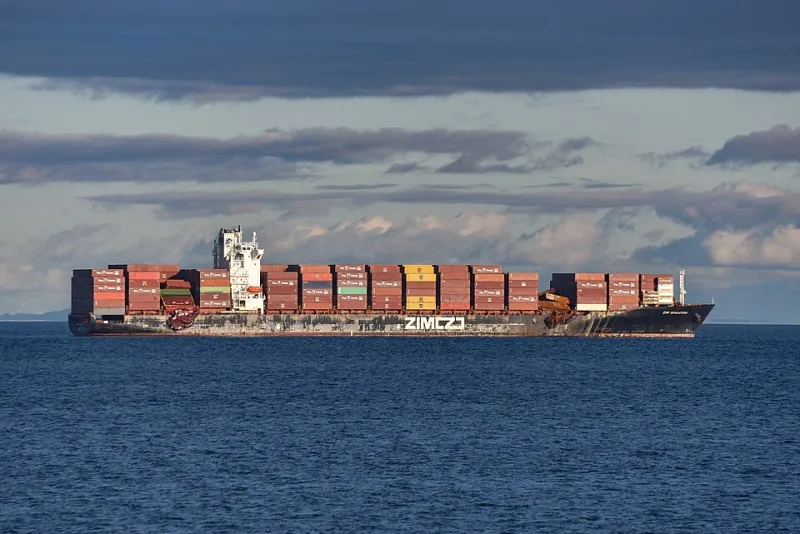
Photo: Dialh, CC BY 4.0, via Wikimedia Commons
There is a particular silence that falls over a procurement office when a sole supplier goes dark. No alarms. No headlines. Just a spreadsheet line item that stops updating, and a production schedule that quietly begins to slip. If the last several years have taught American buyers anything, it should be this: concentration feels efficient right up until the moment it becomes catastrophic.
Efficiency Was the Theory. Fragility Was the Practice.
For two decades, procurement doctrine rewarded consolidation. Fewer vendors meant better pricing, simpler logistics, deeper relationships. The math was genuinely compelling — right up until a pandemic closed factories, a canal blocked a shipping lane, and tariff schedules turned overnight from background noise into line-item threats.
The companies that emerged intact were rarely the ones with the best contracts. They were the ones with options.
Three Practical Routes Out of the Trap
Dual sourcing, taken seriously. Not a backup vendor collecting dust in a contacts file, but an active second supplier carrying real volume — 20 to 30 percent at minimum. A supplier who never receives orders cannot scale up when you need them most.
Multi-category partners. Fragmenting your vendor list across dozens of niche suppliers multiplies the number of relationships, minimum orders, and failure points you manage. A diversified trading partner who can source across product lines consolidates your exposure into one accountable relationship while diversifying your actual supply base behind the scenes.
Regional hedging. Sourcing exclusively from one geography — however competitive its pricing — means your entire supply chain inherits that region's political, currency, and logistics risks. Buyers spreading orders across multiple regions pay a modest premium for a dramatic reduction in tail risk.
The Trading Company as Shock Absorber
Here is the argument we'd put to any skeptical CFO: a well-structured relationship with a diversified trading enterprise functions as insurance you don't pay premiums on. When a tariff ruling shifts, the trading partner has already remapped sourcing. When one factory hits capacity limits, another is brought online without your team lifting a phone. When a port chokes, alternative routings exist because the partner never depended on one in the first place.
This is not an argument against strong supplier relationships. It is an argument against structural dependence. Loyalty in procurement should flow to partners who demonstrate resilience — and resilience, by definition, cannot exist in a single point of failure.
The Question Worth Asking in Your Next Review
Pull up your top ten purchased line items. For each one, ask: if this supplier stopped answering emails today, how many weeks until we feel it, and how many months until we recover? If the honest answer makes you uncomfortable, you've identified the cheapest risk reduction available to your organization this year.
The next disruption is not a matter of if but of which flavor. Spread the bets now, while the choosing is still yours.