Seven Questions That Separate Real Trading Partners from Expensive Mistakes
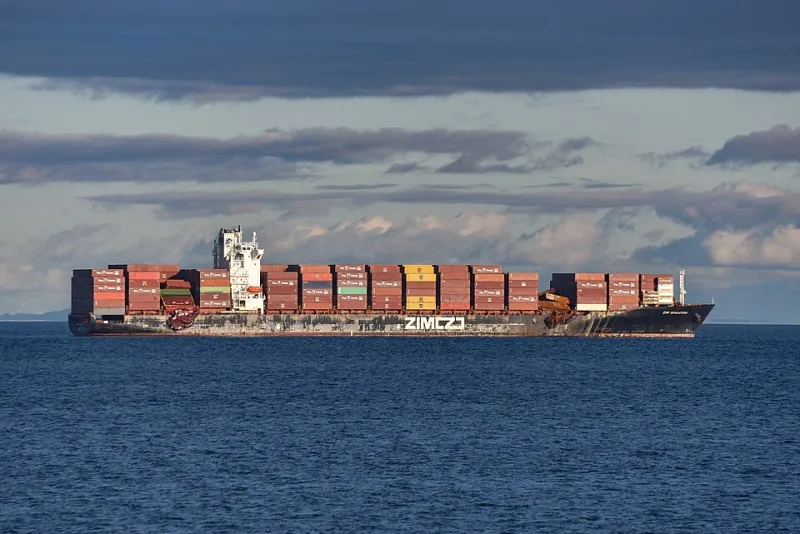
Photo: SelamOmbak, CC BY 4.0, via Wikimedia Commons
Every experienced procurement professional has a story about the deal that looked perfect on paper. The quote was sharp, the product photos were professional, the sample arrived on time. Then the production order went sideways — and the warning signs that were there all along suddenly became obvious.
Due diligence on international trading partners does not require a forensic team. It requires disciplined questions, asked before signature rather than after. Here are the seven we recommend every US buyer ask — the same standards we hold ourselves to at Sikandara Enterprises.
1. Can You Verify Export Credentials and Registrations?
Ask for the supplier's or trading company's legal registration documents, export licenses where applicable, and any relevant certifications (ISO, product-specific compliance marks for US entry such as FDA registration or UL listing). Then verify them independently. A legitimate partner will provide documentation promptly and without offense. Evasion on this question ends the conversation.
2. What Incoterms Are We Actually Agreeing To?
FOB, CIF, DDP, EXW — these four-letter terms allocate risk, insurance, and cost, and confusion between them is the most common source of disputes in international trade. A trustworthy partner quotes in clear Incoterms (preferably Incoterms 2020), explains what is included, and will happily confirm in writing who bears responsibility at each stage from factory floor to your warehouse in the US.
3. Who Is My Single Point of Contact — and What Are Their Hours?
A fifteen-hour time difference is manageable; silence is not. Ask whether you will have a named account contact, what their typical response window is, and whether communication happens in writing with a paper trail. At Sikandara Enterprises, we treat response time as a contractual-grade commitment, because we know that for a US buyer, an unanswered email on a shipping delay is a fire alarm.
4. Can You Provide References from Other US or Western Buyers?
Speak to at least two current customers, ideally in your market. Ask them one question: "When something went wrong, what did the supplier do?" Every long-term trading relationship encounters problems. The partner worth having is the one who surfaces problems early and absorbs its share of the cost.
5. What Does Your Quality Control Process Look Like Before Shipment?
Insist on pre-shipment inspection rights — either your own third-party inspector or the partner's documented QC protocol with photographic evidence. A trading company that resists inspection is not acting as your agent; it is acting as a broker of risk you did not agree to carry.
6. Is the Quote Too Good to Be True?
Run the numbers. If a quote lands 20–30% below every other bidder, something is being removed: material quality, correct classification, insurance, or the supplier's intention to deliver at all. Red flags include requests for full payment by wire transfer to personal accounts, refusal to accept letters of credit, and prices that change between quote and pro forma invoice. A reliable partner's pricing will be competitive but explicable — line by line.
7. How Do You Handle Disruption?
Ask the hypothetical directly: "If my port of discharge closes, or a tariff schedule changes, what happens?" The answer reveals whether the partner has genuine multi-region sourcing, contingency routing, and the working capital to absorb short-term shocks — or whether they will simply forward your anxiety back to you.
The Standard Worth Holding
These seven questions are not adversarial; serious partners welcome them. They are the difference between choosing a supplier and choosing a liability. When we built Sikandara Enterprises around the principle of Reliable Trading, Trusted Partnerships, Global Reach, these were the tests we wrote for ourselves — because we believe US buyers should expect nothing less from anyone they sign with, including us.
Print the list. Ask the questions. The partners who answer well are the ones worth wiring a deposit to.