Against the Niche: The Quiet Case for the Diversified Trading House
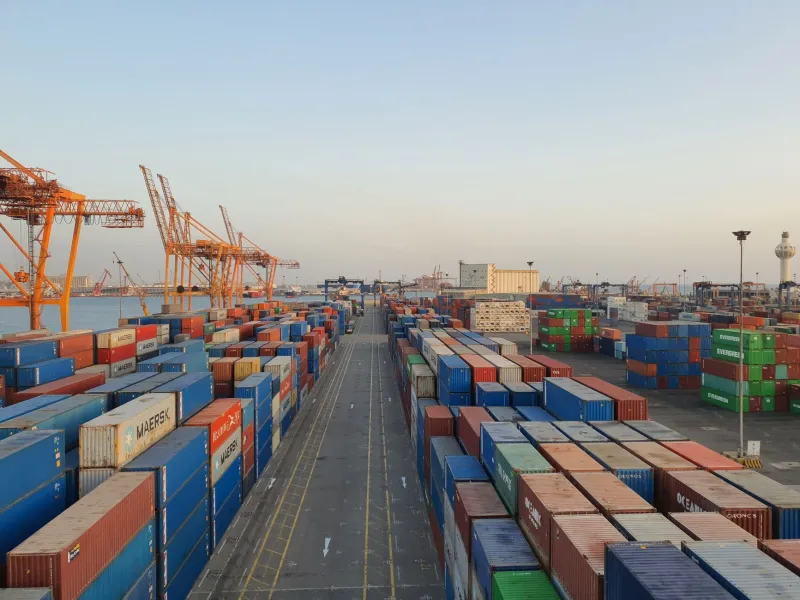
Every business publication of the past decade has preached the same gospel: niche down, specialize, own one category. It is sound advice for software startups and boutique agencies. But walk through the actual history of international trade and you find a stubborn counterexample that refuses to die — the generalist trading house, spanning everything from textiles to industrial components, outlasting wave after wave of category-focused competitors.
The pattern deserves a closer look, because it says something important about how risk actually works in global commerce.
Specialization Is a Bet, and Bets Sometimes Lose
A specialist trading firm that lives entirely inside one product category is making an implicit wager: that nothing will fundamentally disrupt that category. When the wager pays off, the specialist wins on depth — better factory relationships, finer pricing knowledge, faster technical answers.
When the wager loses, it loses everything at once. Consider the shocks of the past several years. Tariff schedules redrawn by bilateral politics. A pandemic that idled entire manufacturing clusters. Port labor disputes that stranded specific commodity flows. Export restrictions that cut off certain raw materials with little warning. In each case, specialists concentrated in the affected lane had no fallback; their entire book of business sat in the blast radius.
A diversified trading house experiences these events differently. When one category is hit, revenue and relationships in unaffected categories keep the operation intact — and, more importantly for clients, the firm's alternative suppliers, alternative ports, and alternative product knowledge remain available. The generalist does not merely survive the shock; it becomes the escape route for buyers who realize too late that their specialist has no plan B.
Breadth as an Information Advantage
There is a second, subtler benefit that specialists struggle to replicate. A firm moving goods across many categories — apparel one season, hardware the next, consumer goods after that — sees the global trading system from multiple vantage points simultaneously. It notices when freight capacity tightens across the board, not just in one lane. It hears early when a manufacturing region is having labor trouble, because its buyers across several industries report the same tremors.
That cross-category intelligence is precisely what allows a diversified house to advise a US client honestly. A specialist whose entire livelihood depends on one product line has every incentive to say the line is fine. A generalist can say, plainly, that a category is troubled — and offer a workable alternative, because it has one.
What This Means for American Buyers
For procurement teams in the United States, the lesson is not that specialists are useless. Deep category expertise matters, and the best generalist firms cultivate it within individual product desks. The lesson is about structure: when your sourcing partner's fate is not chained to a single commodity, your supply chain inherits that resilience.
The next disruption — a new tariff schedule, a regional conflict, a shipping chokepoint — will not announce itself in advance. When it arrives, the question will not be who knows your product category best. It will be who can still get your goods moved at all.
Conventional wisdom says niche down. The evidence, decade after decade, says the survivors diversify. American buyers would do well to choose partners accordingly.