Due Diligence From a Distance: Reading a Supplier You've Never Shaken Hands With
For decades, the ritual was non-negotiable: before signing with an overseas supplier, an American buyer would book a flight, walk the production floor, shake hands, and photograph the loading dock. That ritual made sense when information was scarce. Today, it is often neither possible nor necessary. What has replaced it is something more disciplined — a structured remote evaluation that, done properly, tells you more about a prospective partner than a two-day plant visit ever did.
The shift matters because the alternative to remote diligence isn't in-person diligence. It's no diligence at all. Small and mid-size US importers who can't justify the travel budget frequently skip vetting entirely, then discover the truth the expensive way: a late container, a mislabeled shipment, a supplier who vanished between the deposit and the delivery date.
Start With the Paper, Not the Person
Any credible trading company can produce documentation on request, and how quickly — and how completely — it does so is itself a data point. Ask for three things in your first exchange: a current business registration or export license, copies of bills of lading or commercial invoices from recent shipments (with client names redacted), and proof of product liability or cargo insurance.
Then read the documents like a detective. Do the ports listed on the bills of lading match the geography the supplier claims? Does the invoice formatting look consistent across multiple shipments, or does it vary in ways that suggest the company is brokering goods it has never handled? A trading house with genuine operational depth can usually produce consistent paperwork within a business day. Evasive answers about documents that should be routine are among the most reliable red flags in international procurement.
The Video Call Is the New Factory Floor
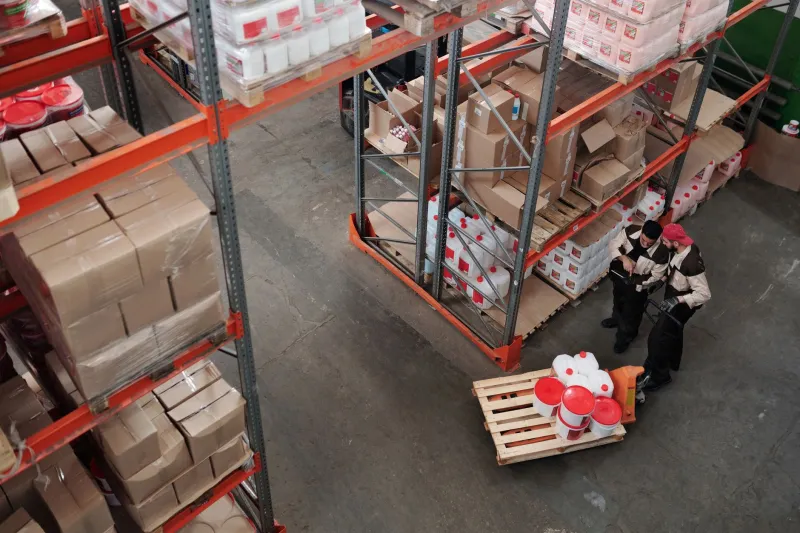
A live video walkthrough — not a produced promotional video, but an unscripted call where you direct the camera — has become the single most revealing tool in remote sourcing. Request a walk-through of the warehouse or production area and watch how the request is received. Established operations rarely object; they have nothing to hide and staff who are used to visitors.
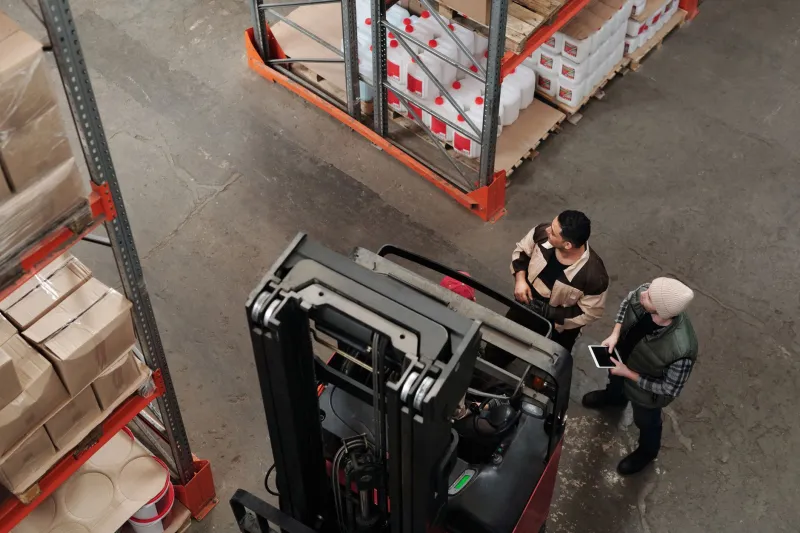
During the call, look for specifics rather than polish. Stacked inventory with visible labels, functioning loading equipment, quality-control stations, and staff performing actual work are all positive signals. Be equally attentive to what you hear: a manager who can answer questions about capacity, lead times, and packaging without deferring to a colleague likely understands the operation. One who can only recite a brochure is reading from someone else's script.
Digital Footprints and Response Discipline
Beyond the call, examine the supplier's broader footprint. How long has the company's domain been registered? Does its address appear consistently across its website, registration documents, and shipping paperwork? Do its online listings show a plausible history of transactions?
Response behavior deserves equal scrutiny. A partner who replies to routine questions within hours but goes quiet for a week when you ask about quality-control procedures is telling you something. In our experience at Sikandara Enterprises, the way a trading partner communicates before a contract is signed is the most honest preview of how it will communicate after — when problems inevitably arise and communication is what actually matters.
Interrogate the Pricing Structure
Quotations deserve a forensic reading. A price dramatically below comparable suppliers is not a bargain; it is a question that needs answering. Ask what the quote includes — packaging, inland freight, export documentation, insurance — and compare line by line rather than headline to headline.
Beware quotes that lump everything into a single figure with no breakdown. Legitimate partners can explain their costs. Also be cautious of suppliers who push for unusually large deposits or full prepayment before any documentation is shared. Standard trade terms exist for a reason, and a partner confident in its operations will work within them.
A First-Inquiry Checklist
Before you send that opening email, prepare to verify the following within your first two weeks of contact:
- Business registration and export credentials, current and verifiable
- Sample shipping documents from recent, comparable shipments
- A live video walkthrough of the actual facility, with you directing the camera
- Consistency check: address, company name, and contact details matched across all materials
- Itemized quotation with clear trade terms (FOB, CIF, DDP) and inclusions
- References from at least two active clients in your market or product category
- Response-time baseline established across both easy and difficult questions
No single item is disqualifying on its own. Patterns are what matter — a missing document here or a slow reply there is normal; a cluster of soft signals is not.
Distance Is Not an Excuse
The end of the obligatory site visit is not the end of rigor. If anything, remote evaluation demands more structure, because the informal signals of an in-person visit are gone and must be replaced with deliberate checks. US buyers who build this discipline into their procurement process gain something their competitors lack: the ability to source confidently anywhere, at any time, without waiting for a budget cycle to approve a plane ticket.
The warehouse may be thousands of miles away. With the right framework, it can still be as transparent as a front desk.