The Hardest Mile Isn't Across the Pacific: How Domestic Logistics Became the Importer's Real Bottleneck
The Blind Spot at the End of the Supply Chain
Ask a procurement manager where their import risk lives, and the answer usually involves trans-Pacific transit times, port congestion, or tariff schedules. Those concerns are legitimate, but they miss where the money actually leaks. For a growing number of American importers, the most expensive and least predictable stretch of the journey is the one that happens after the container clears the terminal gate — the drayage move, the warehouse dwell, and the final delivery to a customer's door.
The ocean leg of a shipment from Asia to Los Angeles might run $3,000 to $5,000 per container and is priced with remarkable transparency. The inland movement of that same container — from the port to a warehouse 40 miles inland, then onward to a distribution center or residential address — can quietly consume as much or more, with far less visibility and far more friction.
Drayage: The Shortest Leg With the Longest Invoice
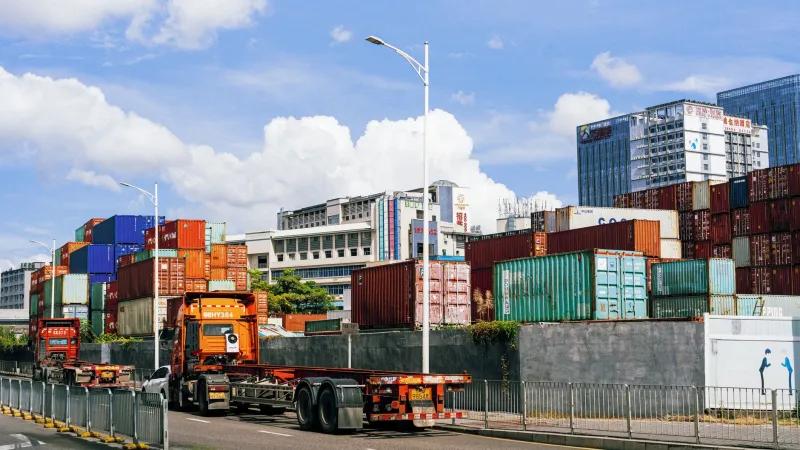
Drayage, the short-haul trucking move that shuttles a container from the marine terminal to a warehouse or rail ramp, looks trivial on a map. In practice, it is where importers routinely bleed margin. A drayage quote assumes a container is picked up and returned within a narrow window. Miss that window — because of a chassis shortage, a terminal appointment system, a closed gate, or a simple lack of available trucks — and per diem charges, demurrage, and detention begin accruing by the day.
Since the pandemic era reshaped inland capacity, drayage rates in major gateways like Long Beach, Savannah, and Houston have become notoriously volatile. A move quoted at $450 in February can run $900 in October, driven by chassis availability and driver capacity rather than any change in fuel prices. Importers who lock ocean freight rates with precision and then treat inland transport as an afterthought are pricing one variable and guessing at three others.
The Warehouse Is Not Free — It's a Decision
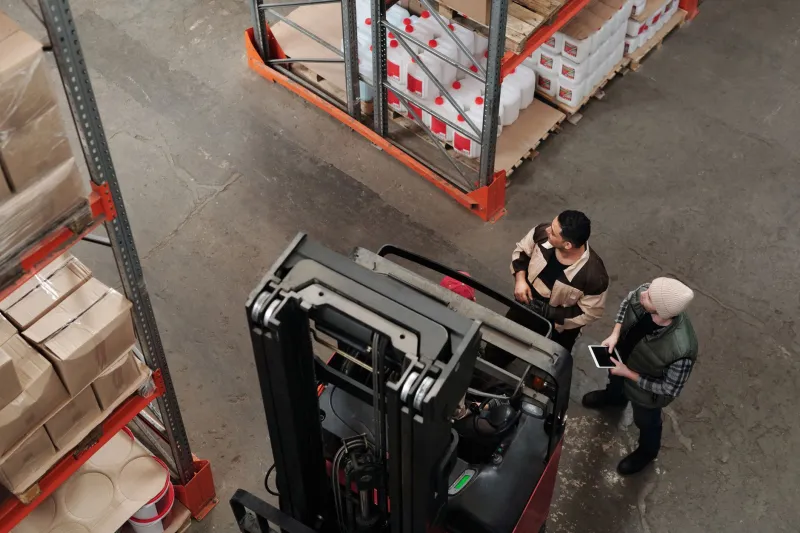
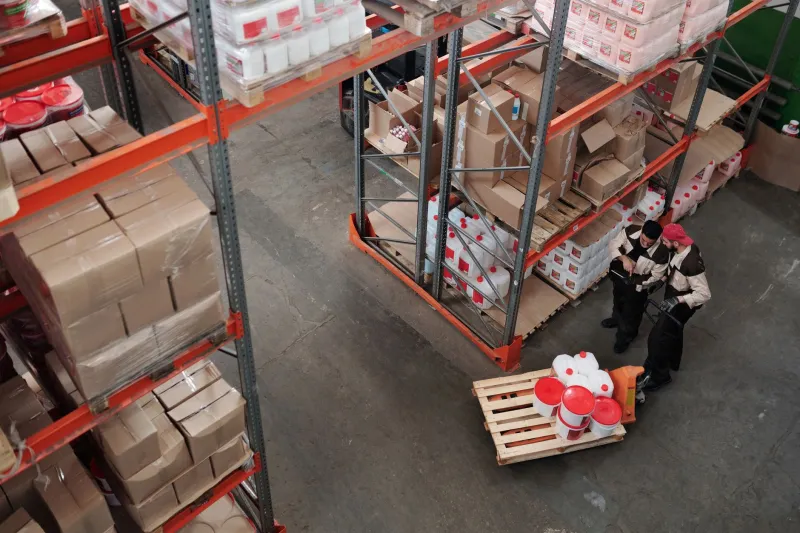
The second under-budgeted segment is storage. Every container that arrives needs somewhere to go, and the answer carries consequences. Transloading a 40-foot container into domestic 53-foot trailers adds a handling fee but reduces inland trucking costs substantially. Cross-docking minimizes storage time but demands flawless coordination. Letting freight sit in a warehouse while a customer dawdles on their purchase order converts a logistics line item into a financing cost — one that never shows up labeled as such.
Warehouse labor shortages in key inland markets, from the Inland Empire in Southern California to the corridors around Atlanta and Dallas-Fort Worth, have pushed handling fees upward. Storage rates that once ran on monthly billing increasingly operate on daily accruals. An importer who budgeted 30 days of storage and consumes 90 has absorbed a threefold variance on a line item they may not have modeled at all.
Last-Mile: Where Unit Economics Break
For importers selling direct to consumers or fulfilling e-commerce orders, the final delivery is often the single largest per-unit logistics cost — frequently $8 to $12 per parcel, dwarfing the per-unit ocean freight that might be $2 or less. Residential delivery surcharges, fuel adjustments, and peak-season fees layer on top of published carrier rates in ways that are difficult to forecast.
The result is a paradox: importers negotiate fiercely over a $4,000 ocean rate and then absorb last-mile costs that, across a full container of goods, can exceed the ocean freight itself.
A Practical Budgeting Framework
Importers serious about controlling this exposure should model four domestic line items explicitly:
- Drayage plus accessorials — the base move plus expected demurrage, detention, and chassis fees, not the best-case base rate
- Handling and transload — per-container labor and equipment costs, quoted per move
- Storage — priced in realistic dwell days, not optimistic ones
- Final delivery — blended per-unit cost including surcharges, not sticker rates
A fifth item deserves a place on the list: coordination itself. Someone must track container availability, book appointments, manage terminal cutoffs, and reconcile accessorials invoices that are, industry-wide, wrong at a remarkable rate.
Where a Trading Partner Earns Its Margin
This is precisely where a diversified trading company justifies its role. A firm like Sikandara Enterprises does not stop creating value when the vessel berths. Established trading partners maintain relationships with drayage carriers, negotiate warehouse capacity in advance of peak season, consolidate freight across multiple clients to secure better inland rates, and — critically — absorb the coordination burden that individual importers cannot staff for.
The pattern we see across successful US import programs is consistent: the companies that treat domestic logistics as a managed discipline, rather than a residual cost, protect margin that their competitors surrender. The ocean is predictable compared to a Tuesday afternoon at a congested terminal. Plan accordingly.